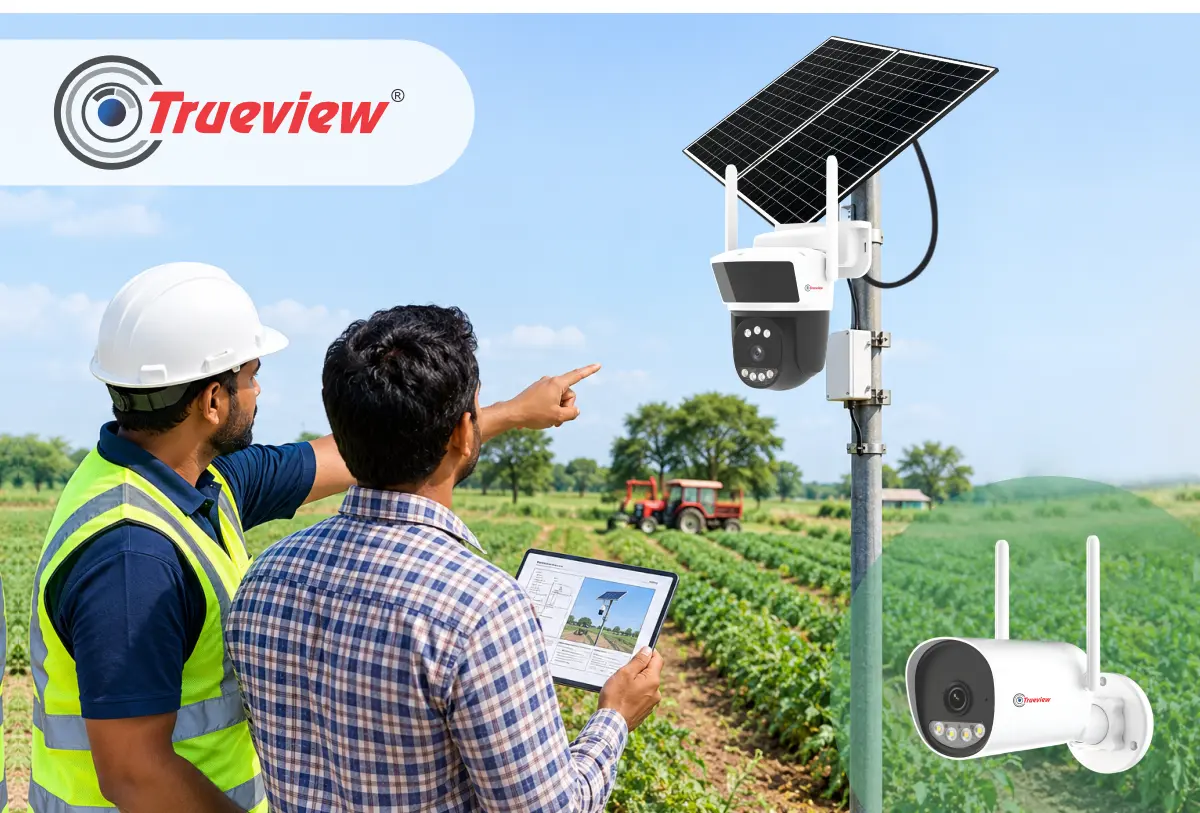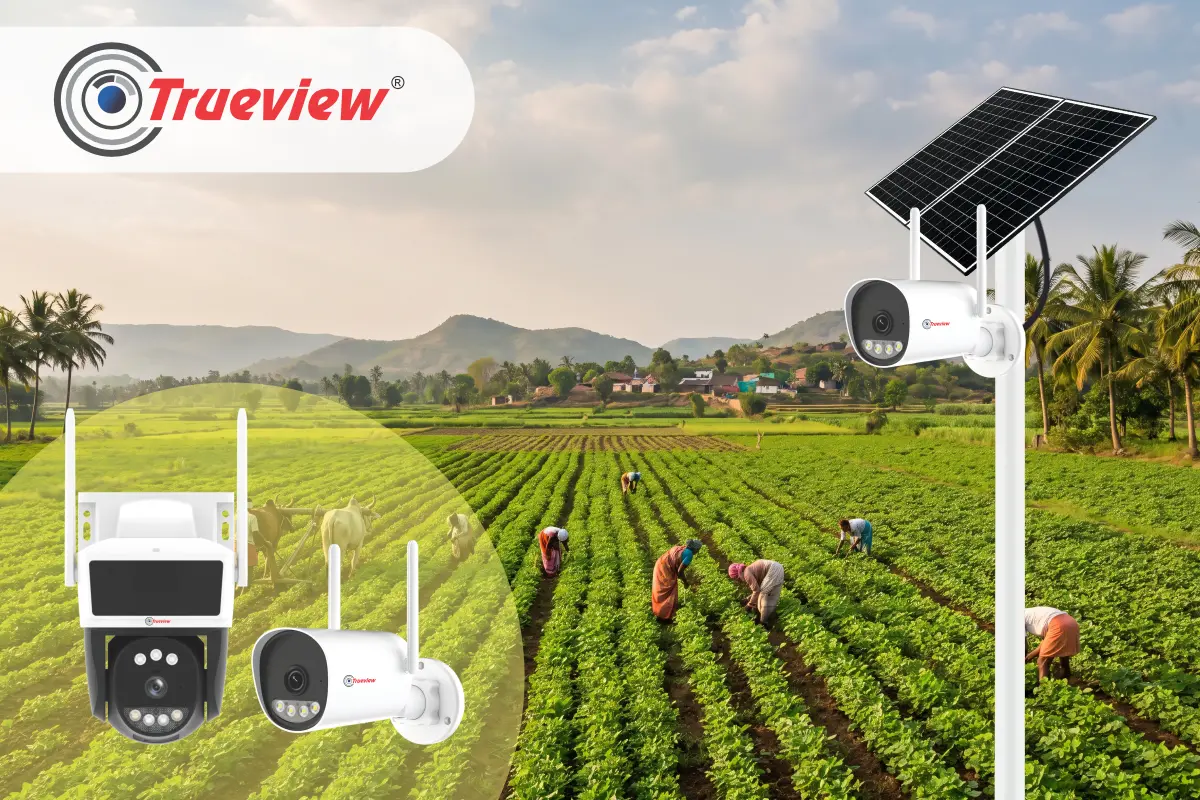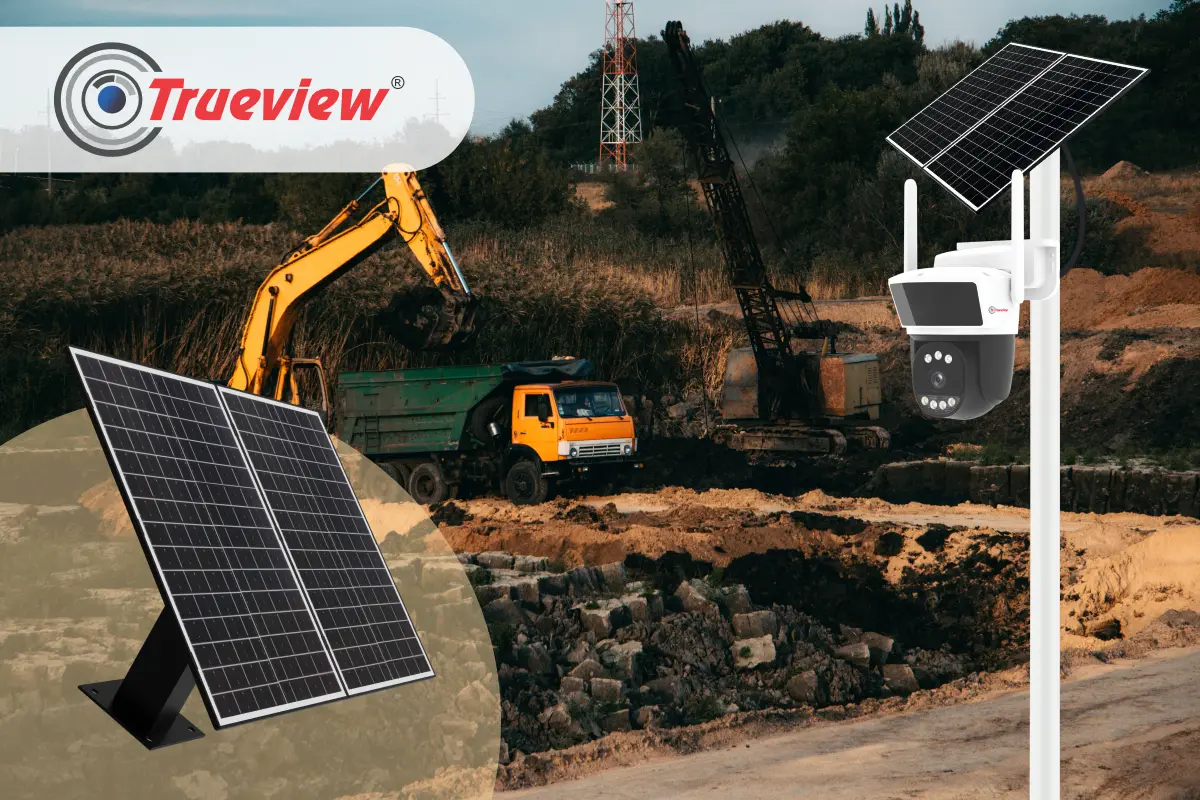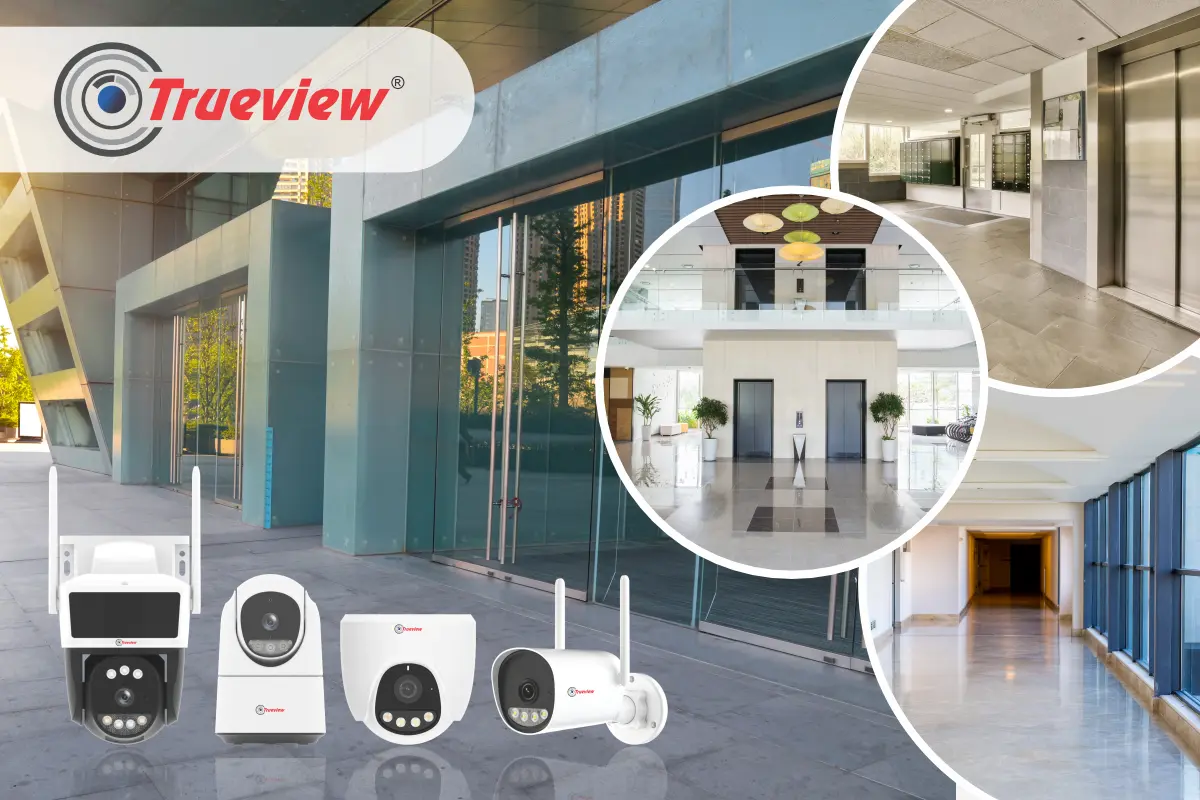
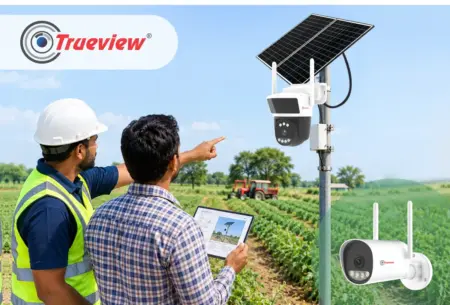
Remote properties often need surveillance the most, yet they can be the hardest places to secure. Farms, open plots, construction sites, rural properties, warehouses, boundary areas, and isolated commercial locations may not have a convenient electricity connection or broadband network.
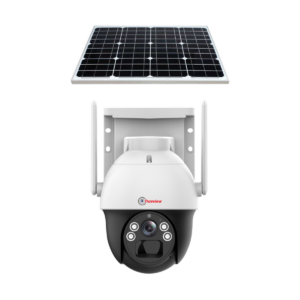
Installing conventional CCTV in such places can mean long power cables, network wiring, drilling, and recurring maintenance. A CCTV Camera with Solar Panel offers a practical way to address the power challenge.
When a compatible 4G camera is used with a solar power setup, it can run on stored solar energy while its 4G connectivity provides access through a mobile network. Thus, makes it possible to plan surveillance for locations where conventional wired infrastructure is difficult to install.
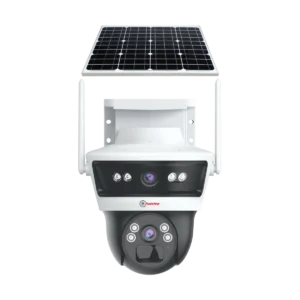
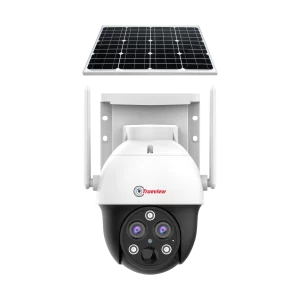
In this blog, we will explain how to plan an off-grid CCTV installation and what to consider before deploying a 4G Camera with SIM Card and a solar panel. Keep reading!
Why Off-Grid Locations Need a Different CCTV Approach
Traditional CCTV installations usually depend upon access to electrical power and, depending on camera type, wired network infrastructure. It works well inside buildings and properties where power and networking are readily available.
Remote outdoor locations present different challenges.
A camera may need to be installed:
- Along a farm boundary
- At the entrance to an open plot
- Near agricultural equipment
- Around a construction site
- At a remote warehouse
- Near a storage area
- Around an isolated commercial property
Running electrical cables to these locations can increase installation work. Outdoor cables can also be exposed to rain, dust, heat, physical damage, rodents, and other environmental conditions.
Pairing a CCTV Camera with Solar Panel reduces dependence on conventional electrical infrastructure and creates a Solar Power Hub. Solar energy is collected during the day and stored in a battery for use when sunlight is unavailable.
What Makes a Security Camera with SIM Card Suitable for Remote Surveillance?
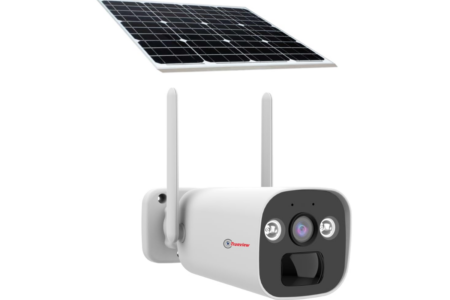
A 4G Camera with SIM Card can be a practical choice for remote locations where WiFi or broadband connectivity is unavailable or difficult to install.
- 4G Connectivity: Uses a compatible SIM card to connect to a mobile network without depending on a local WiFi router.
- Remote Locations: Suitable for farms, construction sites, open plots, and other areas where fixed internet infrastructure may not be practical.
- Easy Deployment: Eliminates the need to extend a broadband connection to the camera location, where mobile network coverage is available.
- Remote Access: Compatible Trueview 4G cameras can support remote access to footage through the Trueview cloud application.
- Security Camera with SIM Card: Provides a connectivity option for locations with mobile network coverage but no fixed internet.
- Power Requirement: A SIM card provides connectivity, but the camera still needs a suitable power source, making a solar power arrangement useful for remote installations.
Understanding Solar Power Hub Arrangement
An off-grid surveillance setup needs a solar system that can generate and store power for use when sunlight is unavailable.
- Solar Charging: The solar panel captures sunlight during the day to generate power for the system.
- Battery Storage: The built-in battery will store energy that can be used by compatible connected devices in the absence of sunshine.
- Power Management: Smart battery management regulates charging and power supply within the Solar Power Hub.
- Camera Role: The compatible CCTV camera will capture and transmit surveillance videos.
- 4G SIM Role: A 4G SIM provides mobile network connectivity where WiFi or broadband is unavailable.
- Solar Hub Role: The Solar Power Hub provides stored solar energy to compatible connected devices.
- Off-Grid Flexibility: Combining the camera, 4G connectivity, and solar power arrangement can support surveillance in locations without convenient electrical infrastructure.
How to Plan an Off-Grid CCTV Camera with Solar Panel Installation?
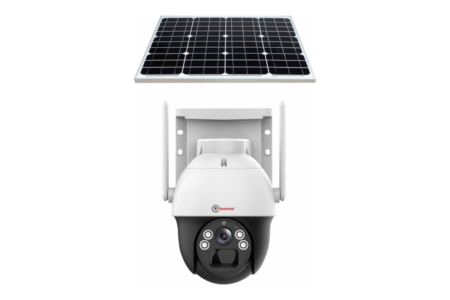
Planning an off-grid surveillance system allows buyers to consider camera coverage, 4G coverage, solar coverage, weather, and remote monitoring all at once.
1] Camera Location
- Identify the areas that need surveillance, such as entrances, equipment storage, crop areas, boundaries, or construction-site storage.
- Position the camera for sufficient coverage, but don’t forget to account for sunlight exposure for the solar panel.
- When planning a CCTV Camera with Solar Panel installation, consider both camera visibility and solar exposure.
2] 4G Network
Check the 4G signal at the proposed installation location before mounting the camera. Remote locations have varying network conditions depending on the location; select an appropriate SIM card according to your network conditions. A Security Camera with SIM Card should be tested for suitable connectivity before final installation.
3] Solar Exposure
Position the solar panel at an appropriate location where it gets sufficient sunlight throughout the day. For a CCTV Camera with Solar Panel setup, avoid shade from buildings, trees, walls, or other objects that could affect charging.
4] Battery Backup
The solar batteries store the solar energy whenever the sunlight is unavailable.
Plan the complete energy path:
- Sunlight
- Solar panel
- Battery
- Camera compatible with the solar system.
5] Weather Conditions
Outdoor equipment can face heat, rain, dust, and storms. Choose an appropriate place for installing the solar equipment and make sure that it is placed correctly.
6] Remote Monitoring
Once configured, supported Trueview systems can provide remote access
through the True Cloud Application. Users can view live footage, review recordings, and receive motion alerts remotely.
A proper installation will ensure that the placement of cameras, 4G, solar energy access, and the environment complement each other for a reliable off-grid surveillance system.
Common Planning Mistakes to Avoid
People who have installed off-grid CCTV systems highlight that most problems happen before the hardware is mounted, not after. Here are the mistakes that come up most often:
1] Assuming any Camera Works With any Solar Panel
Not every camera is compatible with every solar hub or power supply. Trueview Solar Power Hub is designed for pairing compatible CCTV Camera with Solar Panel, and the specifications must be checked before pairing.
2] Ignoring Monsoon and Cloudy Periods
India’s monsoon can stretch for weeks in many regions. A Solar Power Hub should have sufficient batteries to power the camera during a few days without sun.
3] Selecting the Wrong SIM Plan
Always purchase a SIM card in advance rather than on the day of installation. If you buy a SIM card on installation day and later find it has a weak signal or an inadequate data plan, the system is down from day one.
4] Mounting the Solar Panel at the Wrong Angle
A solar panel mounted facing north or placed partially under shade tends to lose significant charging efficiency. Angle positioning should be analysed during the site survey.
5] Underestimating Storage Requirement
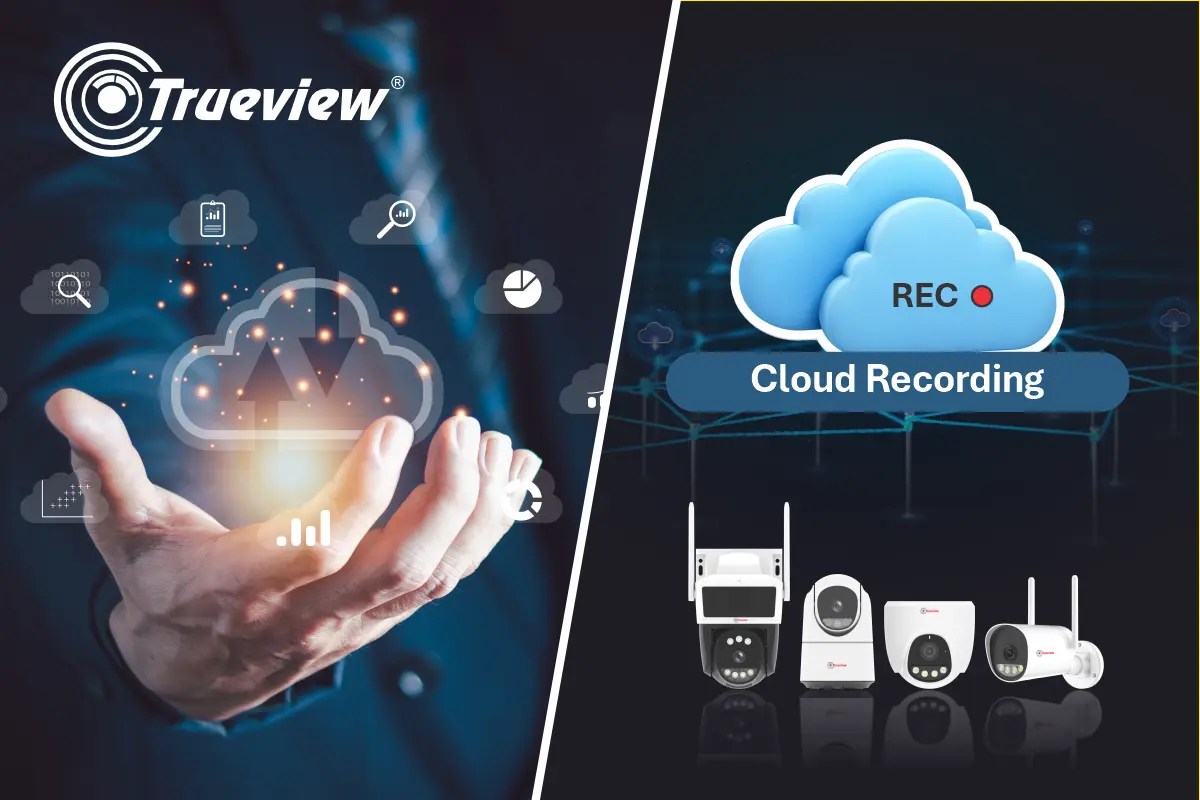
MicroSD cards fill up quickly on full-resolution cameras recording continuously. Use a 128GB or 256GB card, or pair with TrueCloud storage.
Takeaway
Planning an off-grid surveillance system starts with understanding the site’s actual conditions. If there is no convenient electricity connection, solar power can provide a practical energy source. When broadband or WiFi isn’t available, a 4G Camera with a SIM card can connect via a mobile data network.
Bringing these capabilities together makes surveillance possible on farms, open plots, construction sites, remote commercial properties, and other outdoor locations.
A CCTV Camera with Solar Panel setup should therefore be planned around camera coverage, 4G network availability, sunlight exposure, battery storage, mounting, weather conditions, and remote monitoring. The solar power arrangement and the camera each serve an important role in the complete installation.
For locations that require independent power and mobile connectivity, choosing the right combination makes surveillance more practical, scalable, and easier to deploy. If you are planning an off-grid installation, choose Trueview for a practical approach to remote security.
About Trueview
Trueview is a popular Indian technology brand that provides a wide range of solutions across surveillance, display, and educational technology. Our surveillance range includes WiFi Cameras, 4G Cameras, Cloud Recording Solutions, Solar Power Hub options, and more.
Our display solutions include Digital Signage Solutions, All-in-One-Computers, and more. For educational institutions, we provide Trueboard digital boards for better classroom engagement. We deliver solutions for different needs across homes, businesses, institutions, farms, and outdoor locations.
We focus on practical surveillance designed around different site conditions. The 4G cameras provide connectivity to sites without internet access, while the Solar Power Hubs work in places with limited electricity.
No reliable power? No fixed internet? That should not stop you from keeping your property unchecked. Contact us and find a surveillance system built around your site’s connectivity and power needs!